


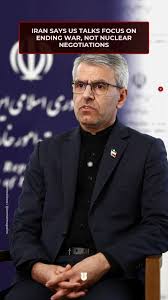
A critical diplomatic pivot is unfolding across international channels as the United States and Iran actively review texts exchanged through neutral intermediaries to secure a “final formula” for a comprehensive regional understanding. Following intense overnight military frictions that heavily strained a fragile ceasefire—including a severe drone strike on a passenger terminal at Kuwait International Airport that resulted in one fatality and 63 injuries—both nations are leaning on indirect communications to halt broader escalation. Iranian Foreign Minister Abbas Araghchi publicly confirmed via Beirut media outlets that while a formal, direct negotiation mechanism does not currently exist, a consistent exchange of messages remains operational. Concurrently, United States President Donald Trump expressed a surprisingly optimistic outlook to White House reporters, asserting that indirect negotiations are proceeding “very well” and suggesting a definitive resolution could materialize over the weekend. However, the broader regional geopolitical architecture remains incredibly tense, as Araghchi explicitly warned that any future military strikes on Beirut would trigger an immediate, full-scale resumption of hostilities. To add to the complexity of the ongoing peace initiatives, Israel and Lebanon have separately agreed to implement a conditional ceasefire, though Jerusalem specifies that any permanent truce is entirely contingent upon the complete cessation of fire by Iran-backed Hezbollah and their total evacuation from southern Lebanon. Meanwhile, the United States House of Representatives has stepped in by passing a significant war powers resolution aimed directly at curbing unilateral executive actions, signaling strong domestic legislative pressure to end the conflict. Global energy markets responded immediately to these frantic, back-channel de-escalation efforts, as crude oil futures began to ease slightly on the back of renewed optimism for maritime safety. United Nations Secretary-General António Guterres has strongly backed these Pakistani-led and Western mediation efforts, issuing an urgent plea for maximum restraint to preserve civilian infrastructure and prevent a catastrophic collapse of regional border integrity. Ultimately, this intense diplomatic dance highlights a razor-thin margin between comprehensive peace and widespread war, with global observers anxiously watching the next round of text revisions.